Why Pakistan’s Stablecoin Initiative Could Transform Its Economy
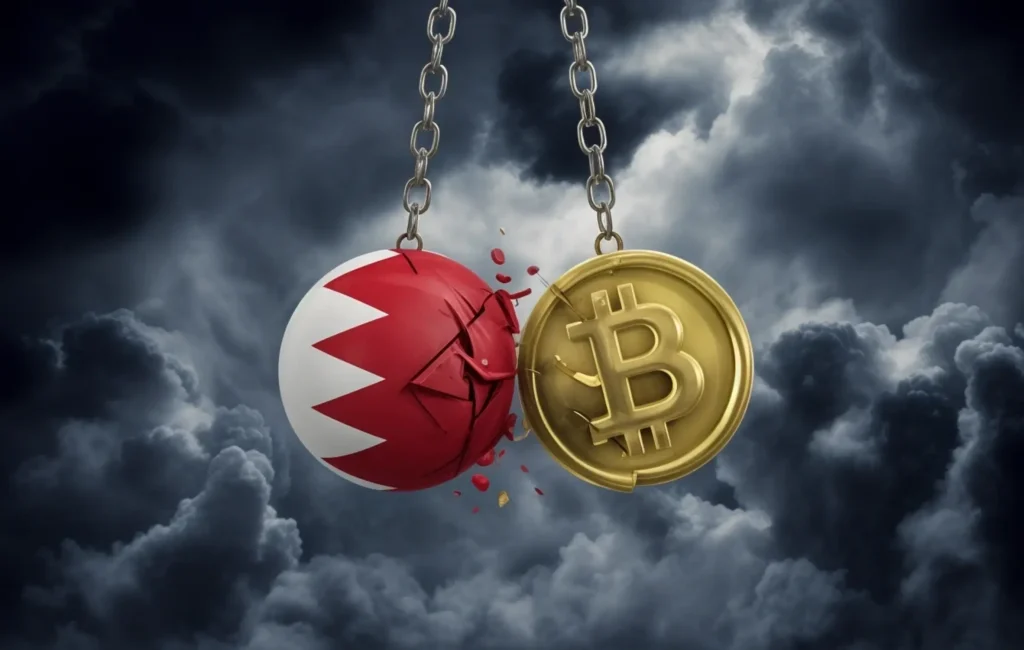
The potential launch of Pakistan’s first stablecoin brings forth an essential discussion on crypto regulation and its impact on the economy. As the country looks to integrate digital assets, understanding this shift is crucial for investors and citizens alike in navigating the evolving financial landscape.
Implications of Crypto Regulation for Pakistan’s Economy
Regulatory frameworks play a pivotal role in shaping a country’s economic landscape. In Pakistan, the establishment of clear crypto regulations is vital for fostering sustainable economic growth. As noted by industry expert Bilal Bin Saqib, Chairman of the Pakistan Virtual Assets Regulatory Authority, “clear crypto regulations will be crucial for economic growth” in Pakistan. These regulations can help create a safer environment for both investors and consumers, encouraging them to participate actively in the market.
However, establishing regulatory clarity presents both benefits and challenges. On one hand, it positions Pakistan as a more attractive destination for foreign investment; on the other hand, it poses the challenge of keeping pace with rapid technological advancements that characterize the crypto industry. Moreover, stablecoins could enhance financial stability by providing a reliable alternative to traditional currencies, especially amid economic uncertainties.
In summary, effective crypto regulation not only protects consumers but can also catalyze economic innovation. It sets the foundations for an ecosystem where digital assets can thrive, leading to broader economic benefits, as long as potential risks are managed effectively.
Current Landscape of Stablecoin Development
Pakistan’s stablecoin initiative, overseen by the Pakistan Virtual Assets Regulatory Authority, represents a significant step towards integrating stablecoins into the national economy. The authority aims to regulate virtual assets while promoting innovation through a multi-stakeholder approach. This first stablecoin initiative is expected to facilitate transactions more efficiently and reduce costs associated with cross-border payments.
Technologically, the rise of stablecoins is driven by the need for a stable medium of exchange that alleviates the volatility common in other cryptocurrencies. By pegging its value to local or foreign currencies, such as the US dollar, Pakistan’s stablecoin can provide a sense of security for users. As such, the anticipated launch of this stablecoin could lead to widespread adoption, creating smoother transactions in both daily and business activities.
Global Ties and the Role of a Global Index Provider
The successful introduction of Pakistan’s stablecoin could have far-reaching implications for global trends in digital currencies. Collaboration opportunities with global index providers may arise, positioning Pakistan as a key player in the broader crypto ecosystem. Such partnerships could help integrate Pakistan’s stablecoin into international marketplaces, fostering greater acceptance and facilitating easier access for foreign investment.
The impact on foreign investment could be significant. By aligning with international standards and practices, Pakistan enhances its attractiveness to investors who are increasingly looking for new opportunities within the crypto landscape. This could lead to increased economic partnerships in the region, potentially elevating Pakistan’s standing in global markets.
Addressing Crypto Risks in a Developing Economy
Integrating crypto assets into Pakistan’s economy does not come without risks. Among the most pressing concerns are market volatility, the risk of fraud, and the challenges brought by regulatory compliance. It is crucial for the Pakistan Virtual Assets Regulatory Authority to implement strategies for mitigating these risks effectively.
Encouraging educational programs about safe crypto practices is essential for integrating these assets responsibly. Public understanding of potential risks associated with crypto transactions should be prioritized. As seen in other countries like Italy, which is reviewing its protections against crypto risks, Pakistan must take proactive measures to safeguard its citizens while moving forward with crypto adoption. By ensuring that the public is informed, Pakistan can create a safer environment for all participants in the crypto market.
The Economic Impact of Adopting Stablecoins
The adoption of stablecoins in Pakistan has the potential to reshape financial transactions fundamentally. For businesses, this could mean faster transaction times and lower fees compared to traditional financial systems. As a case in point, countries like El Salvador have seen improvements in transaction efficiency following the adoption of Bitcoin and stablecoins for payments.
Consumers may also benefit significantly. With reduced transaction costs and improved service delivery, the overall economic impact could be positive, promoting local economic activities. The expected outcomes from this technological integration include enhanced consumer spending and increased patronage of local businesses, ultimately potentially leading to economic growth.
Steps Toward Effective Implementation of Crypto Regulation
For the Pakistan Virtual Assets Regulatory Authority, establishing effective crypto regulations will require collaboration with various stakeholders. A proposed framework should involve government agencies, private sector players, and educational institutions to ensure diverse perspectives are considered throughout the regulatory process.
Multi-stakeholder involvement can also empower different segments of society to participate in shaping policy outcomes. Actionable steps may include hosting workshops on crypto regulations and establishing feedback channels that allow for ongoing public engagement. By creating a framework that encourages stakeholder participation, Pakistan can foster a regulatory environment conducive to innovation while ensuring consumer protection.
In conclusion, the initiative to launch Pakistan’s first stablecoin and to enhance its crypto regulations marks a significant shift in the country’s economic landscape. With deliberate implementation strategies, Pakistan can harness the benefits of digital assets while mitigating associated risks effectively.
About The Author